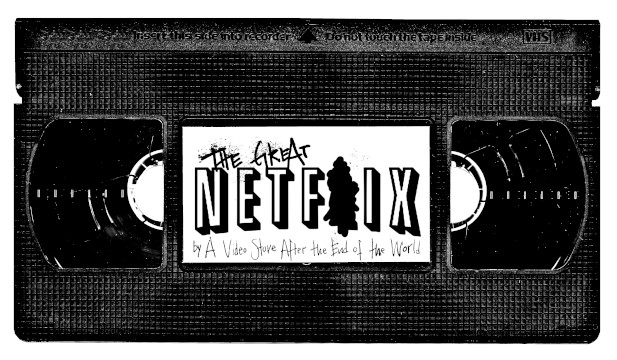
De-Imagining Media

The project argues that speculation, as a site for articulating social alternatives, has been colonized by a machinic imaginary, defined by techno-normative knowledge frameworks predicated on the extractive politics of Big Tech. Critical research seeking alternatives often can't escape these same imaginaries, being captured instead by principles of the immediate and the generative inherent to contemporary media infrastructures. Working on the infrastructural as a site for artistic research, we explore a methodology of material speculation that de-imagines current media infrastructures into sustainable and non-extractive alternatives amidst environmental and socio-political challenges. Instead of more, faster, and bigger, the project advocates for less, slower, and smaller media, operating on a different material scale. Artistic interventions probe existing media infrastructures and inform alternative prototypes through three interconnected methods of de-imagining: de- scription, de-generation, and de-immediation. As methods for artistic interventions in streaming platforms and generative AI, they unfold through collaborative workshops, documented prototypes, and a concluding exhibition and symposium, presenting and synthesizing the concept of de-imagined media. These minor media interventions serve as material witnesses to the politics and techno-aesthetics inherent to their dominant counterparts.